

Keynote Presentations
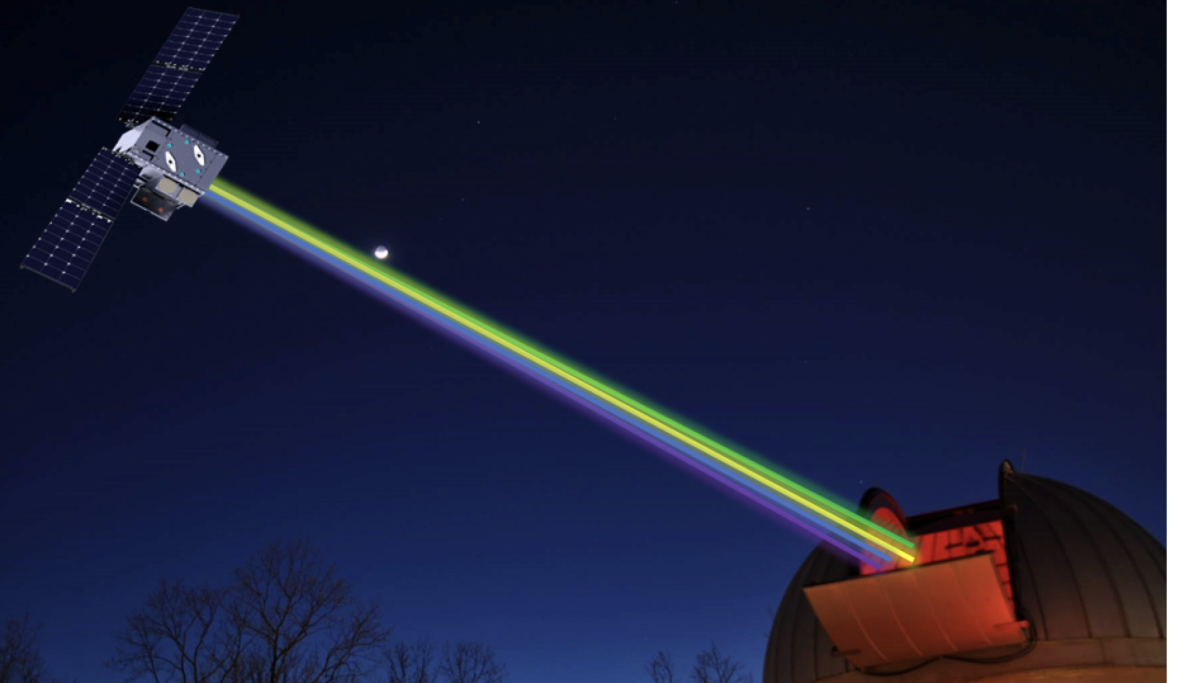 Arlo Landolt Lecture: The NASA Landolt Mission
By Dr. Peter Plavchan
Abstract pending.
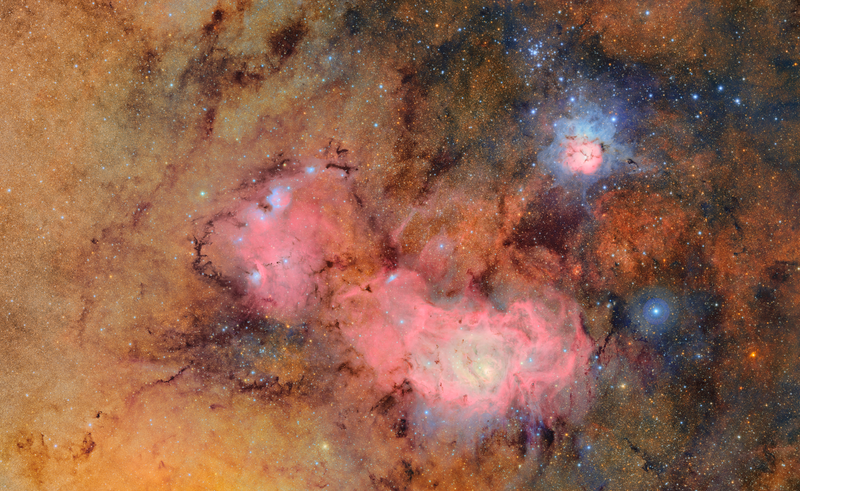 Resources for Doing Variable Star Science with the Vera C. Rubin Observatory
By Dr. Melissa L. Graham
The Vera C. Rubin Observatory will capture the cosmos in exquisite detail. Using the largest camera ever built, Rubin will repeatedly scan the sky for 10 years and create an ultra-wide, ultra-high-definition time-lapse record of our Universe: the Legacy Survey of Space and Time (LSST). In her talk, Dr. Graham will cover the LSST survey strategy, the image processing pipelines, and the science-ready data products that astronomers worldwide are using for their analyses. She will focus especially on the practical aspects of data access via the Rubin Science Platform and Alert Brokers, how to find documentation and tutorials, where to go to ask questions and get support, and opportunities for engagement and collaboration. Image credit: NSF–DOE Vera C. Rubin Observatory
Contributed Talks
Radio Eyes on Variable Skies: Harnessing Radio Data for AAVSO Research
By Wayne Buck
Eastern Connecticut State University
The AAVSO has long provided the astronomical community with high-cadence, long-baseline photometric monitoring of variable stars in optical wavelengths. These data have proved highly useful for studies of stellar evolution and dynamics.
Yet many of the sources observed by AAVSO members also emit at radio frequencies: cataclysmic variables, Algol-type binaries, flare stars, T Tauri stars, and X-ray binaries, among others.
Radio telescopes, such as the Very Large Array (VLA), Atacama Large Millimeter/submillimeter Array (ALMA), Australian Square Kilometre Array Pathfinder (ASKAP), MeeRKAT and the Green Bank Telescope (GBT) offer easily accessible radio archives containing serendipitous radio detections of many variable stars already familiar to AAVSO observers. By cross-matching AAVSO targets with these surveys, members can extend their science from the optical into the radio regime—without the need to operate their own radio instruments.
These radio data have the potential to support development of target observing campaigns for long term optical monitoring, anticipate significant variable optical emissions, provide opportunities for AAVSO members to explore science questions beyond the optical regime. In turn, AAVSO observations can support the selection and monitoring of targets by radio astronomers, partner with radio facilities to provide optical alerts to trigger opportunistic radio observations and contribute to collaborative multi-wavelength campaigns where optical and radio data are analyzed together.
AAVSO members may not be aware that citizen science is an important part of radio astronomy. Indeed, the radio community provides citizen access to archival radio data and encourages citizen science proposals to gather new data from pointed observations on many radio telescopes.
This presentation will: (1) review the main classes of variable stars known to be radio emitters, (2) summarize what radio measurements can add to optical light-curve interpretations, (3) demonstrate how to access radio data and generate radio images using simple tools, and (4) present case studies where combining AAVSO optical data with radio data has provided new insights into stellar astrophysics, including binary accretion, mass loss, and multi-messenger astronomy.
In conclusion, archival radio observations represent a powerful and underused resource for the AAVSO community. Incorporating these data can enhance the scientific value of AAVSO observations, expand member contributions into multi-wavelength astronomy, and foster closer collaboration with professional astronomers conducting targeted radio follow-up. In this way, AAVSO’s established optical backbone can be paired with “radio eyes” to probe the full range of physical processes driving variability in stars.
Have aCyg R—Adventures Ramping Up an International Observing Campaign
By Tom Calderwood
AAVSO
Co-Author: Erwin van Ballegoij
Very bright variables with small (~0.1 V) amplitudes are ideal targets for the single-channel photometers wielded by AAVSO PEP observers. Even stars as bright as Deneb are comfortably within our dynamic range, and we can achieve realistic precision of less than 0.01 magnitudes. Alpha Cygni stars (pulsating B and A supergiants) are the focus of our new long-term project, with a global effort to recruit participants. We discuss the ups and downs of finding, equipping, and training them, along with the general photometric considerations for the observing program.
Turning Attention to Wolf Rayet (WR) Stars
By Stephen P. Cook
Project Worldview, Prescott, Arizona
Spurred by 1) James Webb Space Telescope images of rapidly expanding, concentric dust rings around binary star WR 140 (= V1687 Cyg,) and speculations about where the carbon in our bodies ultimately comes from, and 2) a Wikipedia article about WR 104 (=V5097 Sgr) and speculations about how its end-of-life core collapse supernova or gamma ray burst could conceivably affect life on Earth, I began investigating the citizen scientist contribution to understanding these extraordinarily hot, luminous and massive objects. A search of JAAVSO using “Wolf-Rayet stars” and “variable star research” netted just two papers—the most recent from 2017. While the AAVSO Data Base includes tens of thousands of WR observations, I found many of these are of a handful of stars, and several bright objects in the 159 member 1981 catalogue that introduced “WR” designations had none. And that the impressive log of visual observations of WR stars that legendary Royal Astronomical Society of New Zealand and AAVSO observer Albert Jones (JA) began in 1997 was generally not being added to after his death in 2013.
While my own observations of such objects began in 1968 with the eclipsing binary CQ Cep (=WR 155,) I too had neglected them. Vowing to fix that, I put together a list of two dozen WR stars—roughly divided between those classed WN and WC, depending on whether their spectra are dominated by emission lines of ionized nitrogen or carbon—and recently began CCD V filter photometry of them. I hope to document both mundane and extraordinary doings of these stars. Such as capturing dust obscuration events—like the 2017 JAAVSO report of a three magnitude fading of (WC9 type) WR 76, previously thought to be non-variable. And help answer several questions . . .
“Can long-term monitoring uncover periodicity associated with binary star orbital periods?” While variable star catalogue entries typically depict WR stars with small light variation ranges and—if cited at all—short periods, AAVSO data light curve plots of JA observations document larger ranges and suggest longer periods. My period search analysis of 3185 of his observations of WR 46, WR 86, WR 113, and WR 121 spit out periods that included 27.316 days for WR 113 and 340.15 days for WR 121. The former is remarkably close to the 29.7 day known orbital period—but also suggests a possible full Moon effect. Likewise, is the WR 121 period (a signal of very high strength) real, or just due to seasonal spacing of observations? More generally, “Might shorter duration monitoring find pulsations, as the Canadian space telescope found for WR 123 and WR 124 (with 9.8 hour and 5.3 day periods)?”
Other questions: “Although WC stars are hotter, more evolutionarily advanced, and—as carbon dust ejectors—more “glamorous” than WN stars, are the latter more optically variable (as a 2009 study found)?” “Are the WR stars at the lower temperature end of the classification scheme (WC9 or WN8) more likely to show optical variability than their hotter (WC5 or WN5) relatives?” And, before pushing for creating a new AAVSO Wolf Rayet star observing section, asking “Can citizen scientists really contribute, or should we cede the WR ‘playing field’ to professional astronomers?” Given the peak energy output of WR stars in the far ultra-violet and—given typical large distances and interstellar absorption—the reddening it experiences, space-based X-ray, UV and infra-red observations of WR stars are fundamentally important.
But so are optical observations—including those of citizen scientists—used to get masses of the few WRs that are also eclipsing binaries, and study mass transfer rates. Beyond that, I believe a more precise CCD photometric version of the WR monitoring Albert Jones did can provide important information. I end with highlights (involving WR 104, WR 113, and others) from my recent implementation of such a program. Details can be found in the AAVSO Data Base under observer code CK.
Polarimetry of Variable Stars with PICSARR
By Daniel Cotton
Monterey Institute for Research in Astronomy, Marina, California
Co-Authors: Jeremy Bailey, Ain De Horta, Eileen Meyer, Bill Sparks, Jean Perkins, Derek Buzasi, Eric Haase, Glenn Henderson, Kim Samugang
Polarimetry is a valuable tool in variable star studies, but one that has been chronically underutilised. Stars are net linearly polarised when their light is scattered asymmetrically, either from the atmosphere itself, or from the gas and dust that surrounds them. Polarimetry is particularly good at revealing details of geometry in unresolved systems, as well as particle size and other properties, where conventional techniques are inadequate.
The Polarimeter using Imaging CMOS Sensor and Rotating Retarder (PICSARR) makes high precision stellar polarimetry feasible on small telescopes. It is inexpensive (~$5600) and can be fit to a standard 2-inch eyepiece mount. With the incorporation of a hollow core motor to smoothly accomplish the necessary rapid modulation, PICSARR-2 is achieving a best precision of <2 ppm in linear polarisation. This is around 50 times better than the best instruments at large telescopes were achieving two decades ago. Even today this is an extremely uncommon ability.
We presently operate five PICSARR-class instruments across four institutions on telescopes with apertures ranging in size from 9 to 36 inches. Chief among their applications are programs to study variable stars, including eclipsing and non-eclipsing close binaries, beta Cephei variables, alpha Cygni variables, long period variables, Be stars and other eruptive variables. In this talk I will describe the latest iteration of the instrument and give an overview of its application to variable star studies.
Narrowband Visual Observations of the Solar Photosphere
By Dr. David Cowall
Location
After many decades of conducting nocturnal variable star observations for submission to the AID, I have transitioned to the AAVSO Solar Observing Section to focus on daytime visual observations of the solar photosphere. The optical system employed consists of a 72 millimeter aperture f/5.8 apochromatic refractor, a Herschel Wedge, a broadband ND#3 filter, a narrowband 540 nanometer filter, and a 9 millimeter eyepiece, yielding a magnification of 46X and a 1.8-degree field of view. The addition of the narrowband filter significantly enhances resolution by improving contrast and by mitigating atmospheric turbulence effects. The system's solar mount automatically slews to the sun and maintains the solar image centered in the eyepiece. This setup allows for detailed observations of the ever-changing sunspots and faculae. The Zurich sunspot numbers generated are submitted via SunEntry to the AAVSO American Relative Sunspot Program for analysis and are included in the monthly Solar Bulletin.
Spectroscopic Evidence for the Multi-Year Evolution of the Circumstellar Disk of the Be Shell Star Omicron Andromedae
By Rick Diz
St. Simons Island, Georgia
The variable Be star omicron Andromedae (o And) is a member of a multi-star system consisting of at least three, and perhaps four, stars. The main star repeatedly creates and loses a circumstellar disk. Information relating to the evolution of the disk can be obtained by observing changes in the Hα spectral line (6265.85Å). The author has made observations of o And over three seasons using a 203 mm SCT telescope equipped with a 3D-printed StarEx spectroscope. The disk around Be stars (i.e., stars of spectral type B with emission lines) is formed from material lost from the star rather than by transfer of mass from a companion star. The release of material from the star’s surface to the disk is thought to be due to the rapid rotation of the star combined with mass ejection events. Some Be stars maintain their disk for a very long time, but others lose their disk from time to time. The star o And has a history of forming circumstellar disks that last about seven years and then dissipate, only to be recreated. The current disk began to form about one year prior to the beginning of this study and as of this writing is now about four years old. The star o And is a Be ‘shell’ star; for Be stars, this term is used for those stars whose circumstellar disk is viewed edge-on. In such a case, the Hα line is complex, consisting of double emission peaks, not always symmetric, separated by a deep central absorption line. In o And, the Hα line exhibits almost continuous variation. The ratio of the intensity of the two peaks is expressed as the V/R ratio. Changes in the V/R ratio, the width of the emission peaks (revealing the rotational velocity of the disk) and the depth of the central absorption line suggest that the disk is undergoing continuous change. By the end of the second observing season, the intra-night variability had diminished, but a longer-term trend emerged, suggesting a maturation of the disk. Mass ejection events were less common than in the first observing season, a trend that has continued into the third season of observing. These phenomena will be presented and explained, along with implications for the fate of the current circumstellar disk.
Bridging Education and Discovery: A High School Program in Variable Star Research
By Ian Doktor
Edmonton Public Schools & University of Alberta, Edmonton, Alberta, Canada
Since 2015, high school students in Edmonton, Alberta, have conducted authentic astronomical research – including several variable star studies—through a three-course program. Using AAVSO resources such as VSX, VSP, AAVSOnet, and VPhot, students have carried out photometric analyses of BL Cam, Cygnus X-1, WASP-10, Tabby’s Star, and other targets. Students have shared the results of their studies through school presentations, at local astronomy clubs and science fairs, and through peer-reviewed publications.
This program has two complementary goals:
Educational: To prepare students for astronomy research by developing research skills, from proposal writing and literature review to data collection, reduction, analysis, and dissemination.
Scientific: To contribute original observations and analyses to the broader astronomical community, including submissions to the AAVSO International Database and publications in peer-reviewed journals.
The program demonstrates how secondary students can meaningfully advance amateur–professional collaborations in astronomy, providing a model that can be adapted by schools, astronomy clubs, and outreach initiatives worldwide.
The Extraordinary Intermediate Polar DW Cnc
By Juan Echevarria
Instituto de Astronomia, UNAM, Mexico
I present a review of the last years of observations of DW Cnc, an extraordinary intermediate polar, including a recent interpretation as a micro nova. The disappearance and reappearance of the spin period, recent mini outbursts and the contribution of the AAVSO data base to understand the nature of this unusual object are highlighted.
Alpha Cygni Variables as Seen from the Transiting Exoplanet Survey Satellite
By Joyce A. Guzik
Los Alamos National Laboratory, Los Alamos, New Mexico
Co-Authors: Claire Whitley, Nova Moore, Madeline Marshall, Jason Jackiewicz
Alpha Cygni (ACYG) variables are luminous B- and A-type supergiants which display low-amplitude (around 0.1 mag or less) photometric variability. These variations have potential to provide insights into the evolutionary state and processes in the envelopes and atmospheres of massive stars nearing the ends of their lives. The prototype alpha Cyg (Deneb) exhibits alternating phases of quasi-periodic and erratic variability, raising the question of whether similar behaviors are common among other members of the class.
The Transiting Exoplanet Survey Satellite (TESS) was launched in 2018 into a lunar resonance orbit around Earth. TESS’s four CCD cameras image 24 x 96 degree strips of the sky (called sectors) for 27.4 days at a time, recording brightness with a cadence ranging from 30 minutes to as short as 20 seconds. Although TESS was designed to search for planets, its measurements of starlight are useful for studying variable stars.
We proposed via the TESS Guest Investigator program to obtain light curves for 75 stars classified as ACYG in the AAVSO International Database (AID) which will be observable by TESS during Cycle 8 (September 2025-Sept. 2026). These targets, positioned south of the ecliptic plane, span TESS magnitudes 0.7 (Rigel) to 12.6. All of these targets have one or more prior 27-day sector of TESS observations. We used the web-based tool TESS Extractor to screen these data and selected eight bright targets (TESS magnitudes 0.7–7.3) for further study. In addition to brightness, our selection criteria included larger amplitudes, quasi-periodicities longer than a day (enabling ground-based follow-up), and evidence for changes in variability patterns analogous to α Cyg itself. We also selected for follow-up one 11th mag star near the south ecliptic pole with 23 sectors of TESS observations. We will show a few highlights from this study.
To obtain TESS light curves, the raw pixel data must be processed to subtract backgrounds, check for contamination from nearby stars in the field of view, detrend, remove outliers, and calculate error bars. The Mikulski Archive for Space Telescopes (MAST) includes light-curve products processed by the TESS Science Office or contributed by various research teams using different automated processing pipelines, e.g., QLP, PDCSAP, SPOC, Eleanor, TASOC, and TGLC. For ACYG variables, it is important to remove artificial trends while not removing real longer-period variability. We will compare example light curves from several pipelines along with the TESS Extractor results and report on our preferences for obtaining TESS ACYG light curves.
Acknowledgments: This work makes use of data from NASA’s Transiting Exoplanet Survey Satellite (TESS), obtained from the Mikulski Archive for Space Telescopes (MAST). We acknowledge the use of open-source software including astropy and TESS Extractor. Funding for the TESS mission is provided by NASA’s Science Mission Directorate.
The Red Dwarf Group: Five Years of Coordinated Photometry and Spectroscopy on M-Dwarf Flares
By Gary J. Hawkins
Red Dwarf Group
The Red Dwarf Group (RDG) has coordinated a multi-year, high-cadence photometric and spectroscopic campaign on M-dwarf flares. Now entering its fifth observing season on the well-known flare stars EV Lac and AD Leo, RDG Members have contributed approximately 400,000 photometric measurements to the AAVSO International Database, creating one of the most comprehensive records of these fascinating flare stars. In addition to long-term light curve coverage, RDG has undertaken systematic analyses of flare frequency distributions, rotational modulation, and is exploring cross-observer reconciliation techniques spanning both monochrome CCD/CMOS and tri-color (Bayer) workflows. Early spectroscopic time-series work has provided complementary insights into line-emission evolution during flares. This paper identifies the key enablers that have ensured success over these extended campaigns, highlights important scientific results, and outlines future directions for multi-wavelength flare monitoring.
Scriblerian Satires of 1716 and Early Observations of Variable Stars
By Kristine Larsen
Earth and Space Sciences Dept., Central Connecticut State University
The accurate prediction of the first visibility of the young lunar crescent is a long-standing challenge in observational astronomy, fundamental for determining the start of months in the Hijri calendar. This research is motivated by the need for a highly reliable predictive model tailored to the specific observational practices of Morocco, where the start of each month is based exclusively on naked-eye sightings. While generalized models such as the ODEH criterion (Odeh, M. 2004, Experimental Astronomy, 18, 39) are widely used, they can produce ambiguous results for borderline observations. The primary questions we address are whether a machine learning model trained on local data can outperform these generalized criteria and provide more definitive predictions.
Our approach involves the analysis of a 13-year dataset of official crescent visibility observations from Morocco. We use two key astronomical parameters as predictive features: the Arc of Vision (ARCV), which is the angular altitude difference between the Sun and Moon at sunset, and the crescent width (W). Several machine learning classification algorithms were evaluated, with a Logistic Regression model demonstrating the highest performance. This model was trained to classify each potential sighting as "seen" or "not seen" based on the historical data.
Our analysis concludes that this data-driven methodology, named Manazel, significantly enhances predictive reliability, achieving an accuracy of 98.83 percent. The model successfully resolves ambiguity in cases where traditional criteria are inconclusive. This work demonstrates the power of applying modern data science techniques to historical astronomical records to solve practical observational problems. This approach of refining predictive models with localized, long-term datasets is a valuable technique applicable to other areas of observational astronomy. The full methodology is available in the paper "When Astronomy Meets AI: Manazel For Crescent Visibility Prediction in Morocco" (Lairgi, Y. 2025, arXiv:2503.21634).
Transformed Magnitudes of a Flare Star (EV Lac)—A Warning and Solutions
By Kenneth Menzies
Red Dwarf Group
Co-Author: Gary Hawkins
The Red Dwarf Observing Group has monitored the Flares of EV Lacerta during the current 2025 observing season to determine its Flare Frequency and Energy Distribution. In order to generate accurate magnitudes in both the blue (B) and green (V) bandpasses, observing procedures were selected to provide transformed magnitudes based on careful selection of the reference star and/or imaging with multi-band filters. However, it became clear that the short duration of flares significantly impacts the accuracy of multi-band magnitude measurements due to difficulty balancing target magnitude, filter exposure, filter cadence, flare duration, and the need to match equivalent flare magnitudes in two bandpasses.
As expected, it was determined that careful selection of comparison star improves data consistency/accuracy from multiple observers, rapid measurement cadence improves the ability to track the rapid flare duration, and simultaneous color imaging can provide accurate transformed magnitudes. However, it was observed that filter image cadences such as BBBBV degrade magnitude accuracy due to the inability to match sampling frequency with flare duration. A comparison of B and V magnitudes of flare events indicates that single filter magnitudes may be used as accurate predictors of the second bandpass.
Light Curves and Legacy: RR Lyrae, Cepheids, and the Cosmic Distance Ladder in Action
By Abbas Mokhtarzadeh
IAU National Outreach Coordinator Network
Variable stars, including RR Lyrae and Cepheids, are fundamental tools for measuring cosmic distances and constructing the cosmic distance ladder. This presentation reports on educational research and observational campaigns that integrate variable star science with public engagement, illustrating how different variable star types probe complementary rungs of the distance ladder.
The motivation is twofold: to provide authentic astrophysical research experiences for students and community participants, and to highlight how historical contributions—particularly by women such as Henrietta Swan Leavitt, Annie Jump Cannon, Antonia Maury, and Cecilia Payne-Gaposchkin—continue to inspire inclusive participation in astronomy. Key research questions include: How can RR Lyrae and Cepheid observations refine distance measurements within the Milky Way and nearby galaxies? How can hands-on observing projects enhance STEM learning while promoting diversity in astronomy?
The approach combines the Our Place in Space (OPIS) curriculum (Dan Reichart, 2008–2025), which provides structured modules on variable star observing, period analysis, and photometry, with telescope access through Skynet University. Students and community participants in southwestern North Carolina have collected light curves, performed period analyses, and compared results with the AAVSO International Database. RR Lyrae variables trace distances in nearby stellar systems, while Cepheids measure distances to extragalactic systems, together illustrating complementary rungs of the distance ladder (Leavitt 1908; Madore and Freedman 1991; Riess et al. 2016; Hubble 1925).
Conclusions show that integrating hands-on observations, structured curriculum, historical context, and inclusive outreach creates a tangible system for both education and scientific contribution. RR Lyrae and Cepheids serve as standard candles, classroom tools, and cultural bridges, measuring the universe while connecting learners to a century-long legacy of discovery.
References
- Hubble, E. 1925. “Cepheids in Spiral Nebulae.” The Astrophysical Journal 62: 409–438.
- Leavitt, H. S. 1908. “1777 Variables in the Magellanic Clouds.” Annals of the Harvard College Observatory 60: 87–108.
- Madore, B. F., and W. L. Freedman. 1991. “The Cepheid Distance Scale.” Publications of the Astronomical Society of the Pacific 103: 933–957. https://doi.org/10.1086/132841.
- Reichart, D. 2008–2025. Our Place in Space Curriculum.
- Riess, A. G., et al. 2016. “A 2.4% Determination of the Local Value of the Hubble Constant.” The Astrophysical Journal 826: 56.
- International Astronomical Union (IAU) Office for Astronomy Outreach (OAO). 2025. "Women and Girls in Astronomy." Accessed September 12, 2025.
The AAVSO Smart Telescope Working Group: Re-Thinking the Stellar Photometry Workflow
By Mark Munkascy
The AAVSO created a Smart Telescope Working Group last year to explore ways that the AAVSO can leverage the growing number of smart telescope owners with an interest in using their scopes to participate in real scientific discovery. The working group has been measuring photometric quality from smart telescope images using a new generation of software tools created by the group. Some of their findings have confirmed long-held rules of thumb for photometry with one-shot-color sensors, while other findings have been surprising. The working group has been able to identify error sources and reduce some types of error to the point where photometric accuracy images were shifted to Landolt standard fields to enable measuring the relatively small residual magnitude errors. Because smart telescope exposure times are often short (typically 10 seconds), many images are used to make individual photometric measurements; to reduce the AAVSO computing workload (and out-of-pocket cost), the working group developed a new standard file interface format (called the AAVSO Starlist) that reduces the information transfer from the smart telescope to AAVSO servers by two orders of magnitude compared to transferring FITS images. This talk explores some of these measurements, the AAVSO's motivation for rethinking how images are processed, and the emerging new architecture that will enable any smart telescope observer to contribute scientific data from anywhere in the world.
Waiting for T CrB: The Trials and Triumphs of an AAVSO Observer
By Dr. Bert Pablo
AAVSO, Cambridge, Massachusetts
As the variable star community continues to hold its breath for the long-anticipated eruption of T Coronae Borealis, the AAVSO finds itself at the center of both excitement and endurance. This talk reflects on the past year’s scientific highlights, a period marked by intense monitoring, data-driven collaboration, and the remarkable persistence of observers around the globe. From long-term photometric campaigns and cross-mission coordination to rapid-response alerts and community data analysis, our members have turned anticipation into opportunity. Along the way, new tools, new relationships, and new insights have emerged, reinforcing the AAVSO’s vital role in bridging the professional and citizen-scientist communities. Despite its continued quiescence, “waiting for T CrB” has become emblematic of our community's uniqueness: Patience, precision, and passion in the face of an unpredictable universe.
A Study of Some Unusual Behaviors in a Sample of Pulsating Red Giants
By John Percy
Department of Astronomy and Astrophysics, University of Toronto, Toronto, Ontario, Canada
Co-Authors: Malaika Malik and Ana Florella Pago
Pulsating red giants (PRGs) display a wide range of non-periodic behaviors, including slightly-wandering periods, variable amplitudes and, in about a third of them, long secondary periods which are believed to be due to eclipses by a dust-enshrouded companion. In this paper, we analyze 54 PRGs in the AAVSO LPV observing program—the so-called Percy List on the LPV Observing Section website—plus a handful of other stars from the literature which display unusual or extreme behavior.
We used light curve analysis, and the Fourier and wavelet routines available in the AAVSO's VSTAR time-series analysis software package. We call attention to spurious long period variability which can arise in stars with periods near one year.
On the basis of preliminary analysis, we divided the stars into two groups: about a third which show primarily unusually large or complicated amplitude variability, and about two-thirds which show other unusual or extreme behaviors. The latter group's behaviors include: large, rapid period changes, presumably due to evolution; multiple pulsation modes and/or mode-switching; non-sinusoidal light curves; very slow, cyclic variability of unknown nature and cause; long-period eclipse-like variability (as in V Hya); significant changes in mean magnitude (as in L2 Pup); and “nature and cause unknown.”
The study of the 19 stars in the former group, with notable amplitude variability focused on the possible causes of the variability, which are poorly understood. We built on a similar study by Kiss et al. (2000 A&AS, 145, 283), who used a similar approach, but with a smaller sample and a shorter database. They proposed four possible causes: changes in the type or mode of variability; amplitude modulation due to beating; interaction between pulsation and rotation; and repetitive switches in pulsation mode. In our sample, we find 1 star with beating and mode-switching; 10 with beating only; two with rotation and pulsation, but no beating; three with pulsation, rotation and also beating; one with all three; and two which may not fit any of the proposed causes. Given the large random convective cells in the outer layers of the stars, and the stars' pulsation and rotation, this mixture of results is not unexpected.
Our results emphasize the complexity of the variability, and the need to continue the systematic, sustained observation of this group of stars—and others like them. There is still much that we do not know about these stars, and about LPVs in general. As always, observation and analysis of their complex variability may help.
We thank the AAVSO observers for making the observations, and the HQ staff for making them, and VSTAR freely and easily available. Our work was supported by the University of Toronto Work-Study Program, and by the Dunlap Institute.
Engaging Amateur Astronomers, Citizen Scientists, and Students in Astronomy Research at MIRA
By Jean Perkins
Monterey Institute for Research in Astronomy, Marina, California
The Monterey Institute for Research in Astronomy (MIRA) is a private, non-profit institute that has been dedicated to research and education in astronomy for more than 50 years. In this presentation I highlight several of the ways that students, volunteer citizen scientists, and amateur astronomers engage in research with our astronomers—with the results often leading to publications in astronomical journals.
Our thriving internship program offers high school and college students the unique opportunity to get hands-on experience through a variety of observational, theoretical, and instrumentation-based research projects over the summer months. These experiences are often cited as a major factor in their pursuit of STEM-focused careers. Recent projects include the design and fabrication of a new polarimeter, custom guiding software, and several observing based projects.
Citizen scientist volunteers and amateur astronomers with the aptitude and availability often contribute to projects that require longer completion times than available to summer students. Examples of the work being done by our volunteers include a data processing pipeline for echelle spectra, an analysis of Deneb’s variability in spectroscopy, modeling of pulsations in red giant stars, and occultations by solar system bodies.
MIRA operates the Oliver Observing Station—home to our main 36-inch telescope and co-mounted 14-inch telescope—and the Weaver Student Observatory which hosts a second 14-inch telescope. The primary research areas of MIRA include stellar astronomy, comets and solar system bodies, instrumentation, and observational techniques.
SNR and Exposure Times for Differential Photometry
By Dr. Mark Spearman
Factory Physics, Inc., Texas
While there are many sources for an equation of the signal to noise ratio (SNR) few involve parameters that are required for CCD cameras (e.g., offset, aka, pedestal). Moreover, most of the formulae given in popular texts do not consider the noise added in differential photometry when background flux of the annulus is subtracted from the aperture flux.
This talk derives a SNR that is specifically for differential photometry using parameters found in CCD images and FITS headers. We also provide a formula that computes the required process time and number of images to obtain a given SNR.
Results from the HST Treasury Program on Accreting White Dwarfs as Probes of Compact Binary Evolution
By Dr. Paula Szkody
Astronomy Department, University of Washington, Seattle, Washington
Co-Authors: Anna Pala, Thomas Kupfer, Gagik Tovmassian, Weitan Yu, HST Consortium
About 4 years ago, a large Consortium of 30 astronomers was awarded an HST Treasury Program to obtain ultraviolet observations of 43 accreting white dwarfs to explore the previously poorly studied regions of very short and very long orbital periods. The goals of these observations were to determine accurate temperatures, gravities, masses and compositions of the white dwarfs in order to test models of compact binary evolution. While various HST staffing and satellite issues led to a smaller number of systems that could be completed, the project is nearing its end with 17 dwarf novae/novalikes (white dwarfs with main sequence/brown dwarf companions) and 11 AM CVns (white dwarfs with hydrogen-poor compact companions) observed. AAVSO observations were critical in obtaining ground-based data prior to the HST scheduled times to ensure the systems remained at quiescence during the satellite observations. While detailed analysis has only been completed for 2 systems, some new results have also emerged on composition differences and the ability to measure the white dwarf with the complication of the light from the accretion disk. These results as well as future analysis expected will be presented.
A Low Noise Approach to Photometric Transformation Leading to the Potential Detection of 0.01- to 0.02- Magnitude Spots on EV Lac
By Gary Walker
AAS, MMO, AAVSO
The Red Dwarf Group undertook a Project to investigate the Flare Star EV Lac. Considerable discussion on the benefits and compromises with Transforming ones data took place. The detection of low-level flares requires the data to be as high in precision as possible, while calculations of energy etc. require the data to be Transformed so that multiple observers’ data can be combined for analysis. The author developed a method to Transform photometric data without the traditional increase in scatter—i.e., loss of precision. The data transformed with the new method is compared to other observers who transformed data with the traditional method. As a result of the Transformed Data, a 4.3-day period variation of 0.12 magnitudes in B is accurately resolved.
Posters
W Ursae Majoris-Type Eclipsing Binary V0512 Cam
By Adreana Dillabough
Minnesota State University, Moorhead, Minnesota
Co-Author: Jenna Martodam
I aim to conduct time-series photometry on V0512 Cam, a contact eclipsing binary. This target is an Ursae Majoris variable type with a light curve that displays ellipsoidal components and shares a similar eclipse depth during the primary and secondary minima. Utilizing data collected by the 0.5 meter ARCSAT at Apache Point Observatory in New Mexico on the nights of September 9th to 14th, I will create a light curve to more accurately constrain the period and update the ephemeris. SA38-326 to estimate magnitudes for the system. I plan to achieve this with Lomb-Scargle and Monte Carlo analysis in python.
Revolutionizing Eruption Predictions for T Coronae Borealis and
Other Recurrent Novae Using Machine Learning
By Julian Elihu
Great Neck, New York
Recurrent novae, such as T Coronae Borealis (T CrB), are binary star systems that undergo cyclical thermonuclear eruptions due to the accretion of material onto a white dwarf. Predicting these eruptions is challenging because of irregular light curves and complex accretion dynamics, and traditional methods often lack precision, with predictions for T CrB’s imminent eruption ranging from 2023-2027.
This study applies machine learning techniques to significantly improve eruption predictions, using T CrB as a case study. Historical photometric light curve data from multiple recurrent novae were collected from the American Association of Variable Star Observers database. A Long Short-Term Memory neural network, augmented with an attention mechanism, was developed to model the time-series data and predict the time until the next eruption. Validation using pre-eruption data from RS Ophiuchi’s 1985 and 2021 eruptions yielded prediction errors of 5.99 and 13.89 days, respectively. Attention-based visualizations highlighted a pre-eruption dip in brightness as a key predictor, confirming known astrophysical phenomena. The model’s predictions for T CrB indicate an eruption likely in early 2025.
This approach enables astronomers to allocate resources effectively, capturing critical pre-eruption data where the model signals heightened eruption probability while also improving our understanding of accretion dynamics and stellar evolution. Astronomers can conduct targeted follow-up on these critical epochs, potentially capturing the thermonuclear runaway in real time and collecting crucial spectral data. Also, the interpretability pipeline can be adapted for other transient phenomena, enabling scientists in various subfields to confirm or discover precursor signals in their domain. Finally, as recurrent novae are potential progenitors of Type Ia supernovae, these advancements refine our understanding of galactic evolution and cosmic distance measurements.
Give it a SPIN: Try the Solar Precision Image Normalizer (SPIN) Tool Before Sharing Your Full-Disk White-Light Image of the Sun
By Dipankar Maitra
Computer Science, Mathematics, and Physics Department, Wheaton College, Norton, Massachusetts
Co-Authors: Douglas Scobel, Biswajit Bose
I aim to conduct time-series photometry on V0512 Cam, a contact eclipsing binary. This target is an Ursae Majoris variable type with a light curve that displays ellipsoidal components and shares a similar eclipse depth during the primary and secondary minima. Utilizing data collected by the 0.5 meter ARCSAT at Apache Point Observatory in New Mexico on the nights of September 9th to 14th, I will create a light curve to more accurately constrain the period and update the ephemeris. SA38-326 to estimate magnitudes for the system. I plan to achieve this with Lomb-Scargle and Monte Carlo analysis in python.
Period Evolution in Various Intermediate Polars as Determined from AAVSO Data
By Ryan McCrone
Norton, Massachusetts
Taking advantage of the vast amount of V- and CV-band photometric data that has been contributed to the American Association of Variable Star Observers database, we are carrying out a systematic analysis of the intermediate polars in the database. The purpose of this research has been to search for the period and the change in period over time of these intermediate variable stars. Our results on the spin-period evolution in systems such as AO Psc and FO Aqr agree with prior work on the topic, and we will be presenting new results on systems such as V405 Aur and GK Per. Our promising results demonstrate the power of long-term monitoring when it comes to answering fundamental questions about the nature of stars, and the need for databases like AAVSO as we continue on our journey of understanding the cosmos.
Initial Results from a Two-Month Spectroscopic Study of Deneb
By Katelyn Osterhoudt
Monterey Institute for Research in Astronomy [MIRA], Marina, California
Co-Authors: Jean Perkins, Daniel Cotton, Derek L. Buzasi
Deneb (A2 Ia) is the prototype of the alpha Cygni class of variable stars, and has been the subject of many recent articles and discussions (Abt et al. 2023, Cotton et al. 2024, Guzik et al. 2023, 2024). In particular, the nature of both the abrupt photometric excursions on an interval of ~75 days, and the resumption of a quickly-damped, high-amplitude 12-day photometric period about every 100 days, noted by Guzik et al. 2024, is still poorly understood.
At this meeting we present a preliminary analysis of a new spectroscopic dataset. For two months in the fall of 2024, we took twice-nightly, high-resolution (R~35,000) spectroscopic data of Deneb. We used the BACHES Echelle Spectrograph mounted to the 36-inch telescope at MIRA’s Oliver Observing Station. The data were obtained concurrently with the sector 82 and 83 TESS observations of Deneb. Additionally, five-color, broadband linear polarization was measured at the same time.
We examine the radial velocity variations to look for variability correlated with the photometric and polarimetric variation and explore changes in the line profile of H-alpha over this period. Some small periodic variations over the data set are detected. A significant high-velocity absorption event, as was seen in the Richardson et al. 2011 data, does not appear to be present in our H-alpha data. We note a possible correlation between the polarimetric data and the emission in the H-alpha profile.
First Light of the Whoppshel Spectrograph on the USAFA One-meter Telescope
By Benjamin D. Roth
United States Air Force Academy, Colorado Springs, Colorado
Co-Authors: Scott Donnell, Timothy Giblin, Francis Chun
The integration of the Shelyak Whoppshel Spectrograph with the United States Air Force Academy’s one-meter Ritchey Chrétien optical telescope greatly advances both stellar and satellite spectroscopy capabilities at the USAFA Observatory. This expanded capability will strengthen the Academy’s role in various astronomical research fields including the high-resolution spectroscopic monitoring of satellites, stars, and exoplanets, while bolstering cadet education in general space situational awareness.
The integration process consisted of designing and fabricating the telescope spectrograph physical interface to maximize light delivery into the Fiber Injection and Guiding Unit (FIGU). The FIGU collects light at the telescope focal plane and feeds it through the fiber optic cable to the spectrograph. A major operational challenge is maintaining connectivity of the main camera, guide camera, and FIGU to enable simultaneous operations. The Whoppshel FIGU is physically integrated onto one of the two telescope guide star camera ports preserving the large format science camera at the primary focal plane. A focal reducer placed before the FIGU decreases the effective focal length, expanding the field of view for efficient target acquisition and centering. Alignment and field-of-view tests ensured that light was consistently directed into the FIGU which allowed for successful Whoppshel integration. We validated our system's performance with well-established spectral standard stars.
The USAFA one-meter currently uses transmission gratings at a spectral resolving power between R=200 and 500. The Whoppshel provides more than 50 times the spectral resolution with a resolving power of R = 30000. The spectrograph increases observational capabilities to allow for high precision radial velocity measurements, chemical abundance studies of stars and exoplanets, and high-resolution monitoring of both stars and satellites. The addition of this high-resolution spectrograph brings USAFA’s astronomical capabilities to the state-of-the-art, which will enable collaboration with premier organizations. Looking forward, the Whoppshel’s enhanced resolution will enable cadets and faculty to carry out projects ranging from detailed stellar classification to satellite spectroscopy.
Distribution A: Approved for public release: distribution unlimited (USAFA-DF-2025-876)
The views expressed in this article, book, or presentation are those of the author and do not necessarily reflect the official policy or position of the United States Air Force Academy, the Air Force, the Department of Defense, or the U.S. Government.
The Starchive—A Needed Resource for the AAVSO Community
By Angelle Tanner
Mississippi State University, Starkville, Mississippi
Co-Author: Demitri Muna
Have you struggled to find all the data you need on a star or many stars only to resort to Wikipedia for physical parameters along with five to ten to fifty different references? There has got to be a better way! SIMBAD is useful for looking up stellar coordinates and some physical parameters, but it lacks versatility, ease of use and complete content. Over the past few years, I have been assembling data and developing the web application for a resource I call the Starchive. It currently contains over 50,000 stars and brown dwarfs, 430,000 fluxes and photometry, 236,000 coordinates, 1.6 million stellar, planet and disk parameters and 23,000 references. The straight-forward front-end is designed to be used by educators, amateurs, and professionals in any phase of their career. It has filter, single and list search functions. There are specific samples that can be queried including the nearest, brightest, and youngest stars; stars with planets; stars with disks; brown dwarfs and white dwarfs. When looking at a single star page, there are finder charts, an air mass chart, a spectral energy distribution with the photometry and a host of physical properties. High contrast images, spectra and time series can be accessed there too. When multiple stars are queried, the page contains a sortable, customizable, and downloadable table along with a set of different plotting tools in 2-D and 3-D. This has been a significant undertaking which will serve a menagerie of research programs. My poster will depict many of the features of the Starchive and I will be available for live demonstrations. I want this to be a resource the AAVSO community can use, so I’d love feedback on what features or content you’d like added to the Starchive!